
The baby-bear fallacy
Sometimes "just right" is a trap

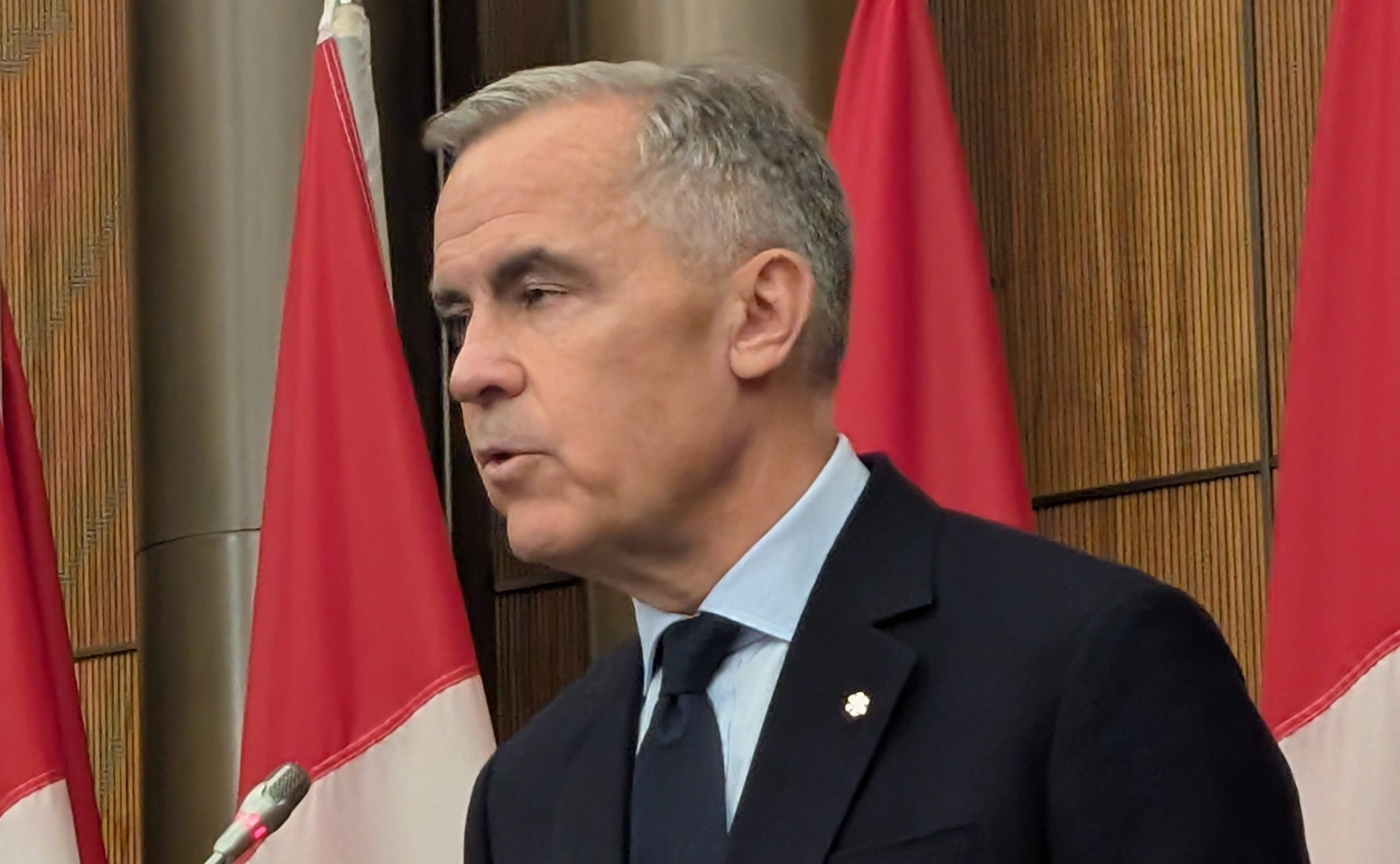
Last week Mark Carney joined the premiers in Charlottetown for their annual conference and joined them for the closing news conference. Topic included Donald Trump; and assorted variations on Donald Trump (Carney’s three tries at explaining who was paying for the Gordie Howe Bridge, for instance).
Many of the questions were about what the prime minister will do if the US president implements his latest threatened tariffs. One reporter, Global’s David Akin, asked a two-parter: how Carney would respond to new tariffs; but also how he could trust any deal to avoid tariffs — or any other CUSMA-reaffirming trade arrangement — given how lightly Trump takes his own word.
On responding to eventual tariffs, Carney said: “There’s a full range of things we can do in that regard.” He added: “It’s important to know what your options are.” He wouldn’t say what the full range might entail, but he did drop a big hint. “We are united in direction and objective and purpose and seriousness about the response. We are going to support Canadian families, workers, businesses, full stop.”
On whether to trust a deal with Trump, Carney used the Greek rhetorical device of epistrophe, which I never thought I’d get a chance to write about: “I have to be convinced. We have to be convinced. The team has to be convinced, the premiers have to be convinced, that an agreement is worth the paper it is printed on. At the core of that is that the agreement recognizes the benefits — the very, very many benefits — that trade with Canada brings, not just to Canadians but to Americans.”
What would this trade-benefit-recognizing language look like? “We will know it when we see it,” Carney said. “You know, we go in from Missouri, to use an American expression.”
Missouri is sometimes called the Show Me State. Carney was saying, bring me your proposed language and I’ll tell you whether it’s good enough.
“And final point,” he said. “There are other things we could have done in the intervening time that we didn't do — in agreements — perhaps because of the nature of your question.”
I can’t know for sure what the Prime Minister meant by all of this. I hope to ask him. But meanwhile let’s dig out the ol’ parsing stick and work our way through it.
That last bit — “There are other things we could have done… that we didn’t” — sounds like in the past year, the Americans offered some kind of “agreement,” even more than one, that didn’t persuade Carney. In his capacity as, well, Missouri, he sent the talkers packing. Or that’s the claim.
What sort of agreement would have persuaded him? Apparently one whose text “recognizes the benefits” of trade. I’m really not sure what to make of this.
That’s because the text of the last agreement recognized the benefits of trade at great length.
Keep reading with a 7-day free trial
Subscribe to Paul Wells to keep reading this post and get 7 days of free access to the full post archives.